Aviation Switching Module – NSN 4920-01-250-2696 (AS-IS / Untested): Aerospace Switching Unit for Professional Inspection
Aviation Switching Module – NSN 4920-01-250-2696 (AS-IS / Untested): Aerospace Switching Unit for Professional Inspection
Blog Article
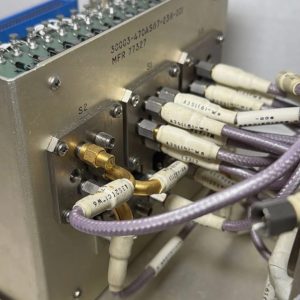
The Aviation Switching Module – NSN 4920-01-250-2696 (AS-IS / Untested) is a specialized aerospace electrical component offered for professional evaluation, restoration, testing, parts recovery, collection, or another suitable non-assumed application.
The Aircraft Switching Module offers potential maintenance or restoration value, while the Aerospace Switching Module must be inspected for condition, completeness, modification, and storage-related deterioration.
Whether buyers search for an Aircraft Electrical Switching Module, Aviation Electrical Control Module, Aircraft Power Switching Module, Aerospace Electrical Control Unit, or Aircraft Signal Switching Module, technical identification should guide the purchase.
Accurate use of Aviation Control Module, Aircraft Electronic Switching System, Aerospace Switching Unit, and Aircraft Electrical Module terminology improves SEO without creating unsupported functional claims.
Key Details of the Untested Switching Module
NSN 4920-01-250-2696 should be compared with the data plate, manufacturer number, contract markings, serial number, connector layout, and available documentation on the actual unit.
Military or aviation-surplus components may carry replacement numbers, superseded numbers, modification markings, or contract identifiers that assist research.
Understanding AS-IS and Untested Condition
The buyer should plan for professional inspection, troubleshooting, repair, parts replacement, or display-only use.
A current-limited and controlled test setup may be appropriate when selected by qualified personnel.
Aviation Switching Hardware Uses
The product page should avoid assigning a cockpit, power-distribution, test-set, or mission-system function without evidence.
A detailed visual inventory supports informed evaluation of the Aircraft Switching Module.
Rugged Aviation Module Design
The module may have been designed for vibration, transportation, storage, maintenance, or aerospace operating environments, but present performance should not be assumed.
Connector damage can prevent proper mating or create electrical shorts even when the module enclosure remains intact.
Aircraft Electrical Hardware Review
A qualified technician should determine whether additional internal inspection is justified.
Methodical inspection protects the integrity and research value of the Aircraft Electrical Switching Module.
Choosing an Aviation Electrical Control Module
The exact interface must be established through diagrams, manuals, connector data, or verified system information.
Control labels and switch legends can provide useful clues, but they should not be used as the only source of technical identification.
Aircraft Power Switching Module Considerations
Current capacity, voltage, duty cycle, contact type, protection requirements, and load characteristics should be confirmed before testing.
Missing covers or barriers may expose conductive points and increase handling risk.
Aerospace Module Troubleshooting
The repair process should preserve original markings and configuration whenever practical.
Replacement components should match the required electrical, mechanical, thermal, and environmental characteristics of the original design.
Maintaining Aircraft Interface Hardware
Qualified evaluation supports responsible Aircraft Signal Switching Module use.
Missing or corroded bonding components may affect noise, interference, or reliability.
Aviation Control Module Applications
Clear intended use helps establish realistic expectations for an AS-IS Aviation Control Module.
Compatibility should be verified through NSN, part number, manufacturer, connector layout, revision level, modification status, and equipment application.
Commercial Value of an Untested Switching Unit
A complete but untested unit may have different value from an incomplete component known to contain damage.
Removable demonstration leads or external training fixtures may preserve originality better than permanent alteration.
Aerospace Circuit Management
Power distribution equipment may use switches, relays, terminals, bus structures, circuit protection, and control interfaces depending on design.
Preserving the original structure protects the Aerospace Power Distribution Module and its resale value.
Choosing an Aircraft Electrical Control Unit
Documented condition improves confidence among buyers of legacy Aircraft Electrical Control Unit equipment.
Functional evaluation should proceed in stages, beginning with research and non-powered inspection before controlled electrical testing.
Untested Aviation Power Equipment
The NSN’s federal supply classification may provide useful context, but the exact role should still be researched through item-specific records.
Safe handling is important even when the Aviation Power Control Module is sold strictly AS-IS.
Electronic Switching Module Applications
System diagrams can help identify required inputs, outputs, grounds, control logic, and companion components.
A replacement AS-IS unit may provide useful comparative parts but should not be installed without evaluation.
Aerospace Switching Unit Storage and Handling
The unit should not be stacked beneath heavy equipment or left on conductive surfaces.
Shipping should use cushioning that supports the enclosure while protecting protruding here switches, connectors, controls, labels, and mounting points.
Choosing an Aircraft Electrical Module
Commercial evaluation should focus on total project suitability rather than the purchase price alone.
Remote buyers should request current photographs of the actual unit instead of relying on catalog images or pictures of similar equipment.
Inspecting the Aviation Switching Module Before Purchase
A pre-purchase review should confirm the NSN, manufacturer, part number, serial number, markings, enclosure condition, connectors, switches, included accessories, storage history, modification status, and known application.
- Request photographs of all labels, switches, controls, connectors, mounting points, enclosure surfaces, seals, fasteners, and included accessories.
- Do not interpret clean appearance, smooth switch movement, or intact labels as proof of electrical operation.
- Report shipping damage, missing accessories, identification differences, undisclosed repairs, or altered condition promptly.
Testing the Aviation Switching Module
Testing should begin with identification research, visual inspection, connector mapping, safety review, and examination of available technical documentation.
Initial evaluation may include mechanical switch checks, continuity testing, insulation inspection, resistance measurements, and examination for shorts or damaged components.
Aircraft Electrical Module Repair Planning
Temporary substitutions should not become undocumented permanent repairs.
Every repair should record the date, technician, fault found, parts replaced, measurements, testing performed, and remaining limitations.
Final Thoughts on the Untested Aircraft Switching Module
When responsibly inspected, stored, tested, repaired, and documented, the Aviation Switching Module – NSN 4920-01-250-2696 (AS-IS / Untested) can remain a valuable aerospace electrical component.
The component should be judged according to complete project suitability rather than clean appearance, military-surplus interest, part-number rarity, or price alone.
Whether the item is purchased for restoration, training, parts recovery, display, testing, inventory, or professional repair, transparent information and controlled handling provide the strongest foundation.
With complete evaluation and continued care, the Aviation Switching Module – NSN 4920-01-250-2696 (AS-IS / Untested) can deliver a professional combination of restoration potential, component value, technical interest, and aerospace-equipment relevance.
Report this page